
“The world is a book, and those who do not travel read only one page.” — Saint Augustine. That idea is the heart of this guide: carry less so you can see more. This article shows a practical way to move fast, stay nimble, and enjoy two weeks with just one carry-on.
Minimalist travel is about intention. Follow core rules from ultralight travelers: carry fewer items, cut weight without losing use, and pick gear that feels right. One-bag setups—think 19–40L packs like the Tom Bihn Synapse 19—fit under seats and keep essentials close.
This introduction previews a field-tested method: a four-day clothing rotation, mid-trip laundry, and multipurpose accessories. You’ll learn how to organize outer pockets for daily access, keep tech tidy, and handle airport card checks, liquids, and documents fast.
If you have questions or want to collaborate, email info@dunamia.com.
Key Takeaways
- Aim to pack light into a single carry-on for speed and freedom.
- Use a four-day rotation and plan a mid-trip wash to halve clothing needs.
- Choose versatile gear that works for casual days and smarter evenings.
- Organize pockets and a small tech kit so items stay accessible and untangled.
- One-bag travel skips fees and reduces risk of lost luggage.
- Neutral colors and layering create many outfits from few pieces.
Why Packing Light Matters: Freedom, Savings, and Less Stress
Choosing a smaller load saves time and money while easing daily stress. Skip long check-in lines and baggage claim and move through airports faster. That means more minutes spent seeing places and fewer spent waiting.
Time benefits show up immediately. With only a carry-on, people arrive earlier at gates, pass security quicker, and exit airports faster at their destination. Shorter queues reduce the chance of missed connections and calm tight itineraries.
Financial and practical wins
Avoiding checked luggage frees up money you would otherwise spend on fees, porters, and extra hotel services. Lighter loads also cut incidental costs like oversized locker rentals.
- Keep essentials with you to reduce the risk and cost of lost luggage.
- Move more easily on stairs, cobblestones, and public transit without rideshares.
- Fewer things mean fewer decisions each morning and more time out exploring.
Sustainability and behavior
Lowering the total weight you carry reduces fuel use across planes and local transport. People who travel lighter often walk or use metros more. That reduces emissions and encourages local experiences.
| Benefit | Immediate effect | Long-term gain |
|---|---|---|
| Skip checked luggage | Saves money at the airport | Less chance of lost bags |
| Carry less weight | Move faster on foot and transit | Lower fuel use and emissions |
| Fewer items | Less decision fatigue | More focus on people and places |
The Core Rules of Minimalist Travel
Begin by stripping your list to essentials only; that single move changes the whole way you travel.
Carry less stuff, keep only what’s useful
Start with a strict edit. If an item does not serve multiple roles, leave it behind. This rule helps you focus on people, places, and food instead of possessions.
Reduce weight without sacrificing function
Favor multipurpose gear. Swap heavy single-use pieces for lighter, versatile versions, such as a neutral jacket that works for the plane, dinner, and cool nights.
Optimize for comfort, design, and versatility
Choose well-made items you enjoy wearing. Comfort and style let you repeat outfits without fuss. Build a small system that scales for weather and activities.
- Keep a short must-have list and update it after every trip.
- Use the “rule of three”: if an item lacks three clear uses, remove it.
- Prefer backpacks or crossbody options to free your hands and move faster.
Remember: pack to experience the world, not to carry it with you. This mindset is the core of packing light and effective minimalist travel for two-week trips.
Choose the Right Bag: Backpacks and Duffels That Make Packing Light Easy
Your bag is the single gear choice that shapes mobility, access, and comfort on the road. Selecting a 19–40L option typically meets carry-on rules and keeps your load manageable.
What to look for: favor a U-shaped clamshell opening so you can see and reach everything. Interior pockets or mesh dividers help separate clothes, tech, and toiletries for fast retrieval.
Weight matters. Choose a lightweight shell to save allowance for essentials rather than the luggage itself. A compact model like the Tom Bihn Synapse 19 fits under-seat and keeps daily items close during tight connections.
- Target 19–40L to stay within most airline limits while keeping enough space for essentials.
- Backpacks and duffels outperform rolling options on stairs, cobblestones, and crowded train aisles.
- Test a full load at home to confirm strap fit, comfort, and access to the gear you use most.
Final note: simple exterior pockets for a bottle and small accessories speed up days out. Verify your carrier’s dimensions before you leave to avoid surprises.
pack light: A Two-Week, Carry-On-Only Packing List

Two weeks in one carry-on works when every item earns its place and you refresh laundry halfway through. This short approach uses a four-day clothing rotation so you keep volume low and options high.
The four-day rotation method and mid-trip laundry
Build a repeatable packing list based on four days of clothes and one planned wash at mid-trip. That strategy halves the number of outfits you need and saves both weight and space.
- Core example: 3–4 shirts, 2 pants/shorts, 1 jacket, 4 underwear, 4 socks, 1–2 pairs of shoes.
- Carry a compact laundry kit (detergent sheets or pods) for sink washes when services aren’t available.
- Use packing cubes or tidy folding to keep the bag organized and quick to repack.
Where to trim: things you think you need vs. what you really need
Be ruthless with single-use items. Add activity-specific pieces only if you’ll use them multiple times. Neutral colors and versatile fabrics let shirts match every bottom and extend outfit options.
| What you think you need | What you really need | Why it matters |
|---|---|---|
| Three specialty outfits | One elevated outfit | Saves space and avoids unused clothing |
| Excess toiletries | Essentials + solid options | Passes security faster and reduces leaks |
| Extra shoes | One versatile pair + optional light second | Frees room and cuts weight |
Create a Capsule Wardrobe: Clothes That Mix, Match, and Layer
Focus on versatile clothing that makes every outfit work harder. Choose neutral colors and crease-resistant fabrics so shirts and pants look fresh after a long day. Layering lets you adapt to temperature swings without bulky outerwear.
Neutral colors, crease-resistant fabrics, and the onion strategy
Use a thin base, a mid-layer, and a packable jacket. This “onion” method keeps you comfortable and reduces the need for many heavy pieces. Favor quick-drying fabrics so overnight washing is possible.
Sample capsule and wearing bulky items on transit
Sample list: 3–4 shirts, 2 pants/shorts, 1 lightweight jacket, 4 socks, 4 underwear. This covers two weeks when you plan a mid-trip wash.
- Build around neutral tops and bottoms so everything matches.
- Pick crease-resistant clothing that still looks presentable out of a bag.
- Wear your bulkiest jacket and heavier pair of shoes on travel days to save space.
- Add one accessory (a thin scarf) for warmth, style, or modesty.
“Choose cuts and colors you enjoy; if you won’t wear it at home, you won’t wear it away.”
| Item | Quantity | Why it works |
|---|---|---|
| Shirts | 3–4 | Neutral colors mix with all pants and layer well |
| Pants/Shorts | 2 | One casual, one smarter or different fabric for variety |
| Jacket | 1 | Packable, lightweight for warmth and evening wear |
| Socks & Underwear | 4 each | Enough for rotation with a mid-trip wash |
Try on combinations before departure. Walk and sit to confirm comfort. Simple silhouettes and trusted cuts make you reach for the same reliable clothes every day.
Shoes Made Simple: One Pair, Maybe Two
Your footwear strategy should solve walking, evenings out, and weather in one go.
When one pair of versatile shoes is enough
Many travelers thrive with a single pair that covers most needs. Choose shoes that offer cushioning for long walks and a tidy look for casual dinners.
If your itinerary is mostly urban, a well-made sneaker or derby can handle 90% of days. Add insoles for extra comfort rather than bringing another pair.
Adding a lightweight second pair without blowing space
Only add a second pair if you truly need different function. Pick a compressible slip-on or packable sneaker that flattens easily.
Wear the bulkier pair during flights and trains to save bag room and keep feet warm in cool cabins. Match shoe color to your capsule wardrobe so both pair shoes work with every outfit.
- Limit: two pairs max to control weight and space.
- Maintenance: quick wipes or a small brush keep shoes presentable for two weeks.
- Terrain check: cushioned soles beat hard dress shoes on cobbles and mixed city surfaces.
| Choice | When to use | Benefit |
|---|---|---|
| Versatile sneaker | Daily walking, casual nights | Comfort + clean appearance |
| Packable slip-on | Backup for beach, short outings | Low weight, compresses flat |
| Wear-in-transit | Flights, long trains | Frees space and keeps feet warm |
Smart Toiletries: Solid, Small, and Security-Friendly
Smart toiletry choices save space, speed you through security, and prevent messy surprises on the road.
Favor solids where possible. Solid shampoo, conditioner, and deodorant do not count toward liquid limits and cut spill risk. They also free room for essentials and make your kit more durable in a tight case.
Know the rules: liquids must be in containers of 100 ml or less and fit inside a single, clear 1-liter bag for airline checkpoints. If you carry creams or serums, decant only what you will use.
- Use a small hanging wash bag with internal pockets so items stay visible in small bathrooms.
- Bring a leak-resistant case for a toothbrush and razor to protect clothing.
- Keep a compact bar soap and a multiuse moisturizer for face and body to reduce duplicates.
- Store the wash bag near the top of your pack for quick removal at security.
- Add a few reclosable mini pouches for sunscreen or extra creams and a quick-dry cloth to mop up any moisture.
Final rule: refill supplies as needed on the road rather than overfilling a bottle at home. This approach keeps your kit light and compliant while you travel.
Essential Travel Accessories That Punch Above Their Weight
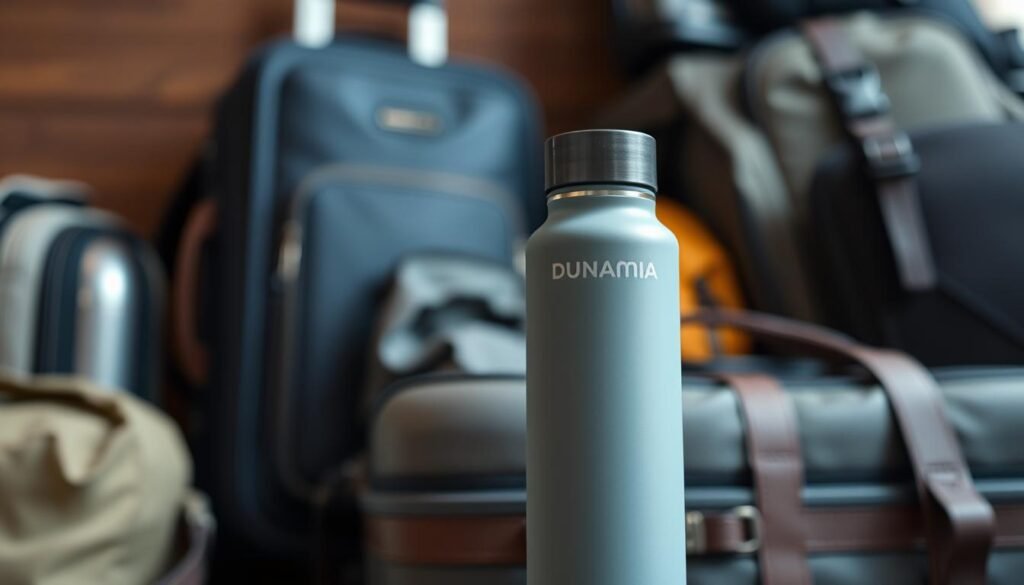
Choose a handful of high-utility items that give you power, hydration, and better sleep no matter the destination. These pieces save space and reduce weight while solving everyday problems on the road.
Hydration first: carry a reusable water bottle for airports and day outings. If you expect uncertain sources, upgrade to a purifier bottle like a Grayl so you can fill from taps or streams safely and cut plastic waste.
Power and cables: a compact wall charger that doubles as a power bank (for example, Anker PowerCore Fusion) keeps your phone charged away from outlets. Bring short 6–12 inch cables to reduce clutter in a small tech case.
- Bring a low-profile universal adapter (e.g., Kikkerland UL03-A) that fits tight sockets without extra bulk.
- Pack a contoured sleep mask (Bucky 40 Blinks) and high-NRR ear plugs (Hearos) to get real rest on planes and trains.
- Keep a tiny sunglasses case to protect lenses without adding weight.
Store daily-access items in an exterior pocket of your bag so you can grab hydration, mask, or adapter on the fly. Reserve a small corner for a zip pouch that corrals all tiny items. Test everything at home to ensure your phone charges and all pieces fit before departure.
Wallet, Credit Card, Phone: Streamline Your Everyday Carry
A well-planned card and phone setup keeps you moving and lowers the chance of costly mistakes.
Carry only essentials. Use a slim wallet with your ID, a primary credit card, a backup card, and a small amount of local money. Store extra cards at home to cut clutter and risk.
Choose accounts that save fees. Consider a debit that reimburses ATM fees worldwide (for example, Schwab Bank debit). Pick a primary travel credit card with no foreign transaction fees and strong protections — some premium cards include lounge access and statement credits.
- Separate primary and backup cards in different pockets to avoid single-point failure.
- Enable transaction alerts and two-factor authentication for safer spending abroad.
- Keep your phone ready with offline maps, transit apps, and digital boarding passes.
Use a slim protective phone case that avoids bulk. Photograph and securely store copies of your ID and cards so you can act fast if something is lost. Review fees and benefits before departure to pick the most cost-effective setup for your itinerary.
Electronics: Go Minimal, Stay Powered
Most digital needs fit on a single phone. Use a phone for navigation, photos, tickets, and messages. Add a small tablet or a 12–13″ laptop only if your work or editing needs justify the extra weight.
Phone first, then a small laptop or tablet if required
Keep devices practical. Favor a lightweight 12–13″ laptop with long battery life over a heavier workstation. That choice gives you editing or document ability without bulk.
Packing tiny: earbuds, short cables, and dual-use chargers
Simplify charging. Carry one compact charger that doubles as a power bank. Use short cables (6–12 inches) to avoid tangles and save room.
- Lead with your phone; add a laptop only when daily work needs it.
- Choose earbuds over over-ears for weight and space savings.
- Keep one adapter, one charger, and only the cables you use.
- Download offline maps, playlists, and reading before a long day.
- Back up photos to the cloud and a second location when a laptop is present.
“Pack devices that earn their place; if you never open it, leave it behind.”
Storage tip: keep electronics in a flat pouch by an outer pocket for fast security checks. After the trip, audit items you didn’t use to make future packing even leaner.
Backpack Organization: A Place for Everything
A well-organized backpack turns chaotic moments at busy stations into calm, efficient routines. Good layout saves time and keeps essential items within reach during every leg of your trip.
Quick-access pockets and daily essentials
Assign outer pockets to high-frequency items: charger, adapter, sunglasses, ear plugs, and a sleep mask. Keep water and a small essentials pouch near the zipper so you never dig through clothes.
Main compartment and layering strategy
Reserve the main compartment for your capsule wardrobe and laptop. Stack clothes to keep the bag balanced and easy to zip. Put a thin rain jacket or extra warmth layer in a bottom sleeve for instant weather changes.
- Use one or two packing cubes to separate tops and bottoms, or fold tightly for a structured stack.
- Roll small items (underwear, socks) to fill gaps and preserve a flat surface.
- Place heavier items near the center to improve weight distribution and comfort on your back.
- Store the toiletry case near the top for quick screening and fast hotel setup.
- Keep a mini inventory list of where things live so repacking is fast between hotels.
Refine after each trip. Swap cube sizes, standardize pocket assignments, and make your system predictable. A tidy bag reduces stress and gives you more time to enjoy the journey.
Laundry on the Road: Pack for Seven Days, Stay for Fourteen
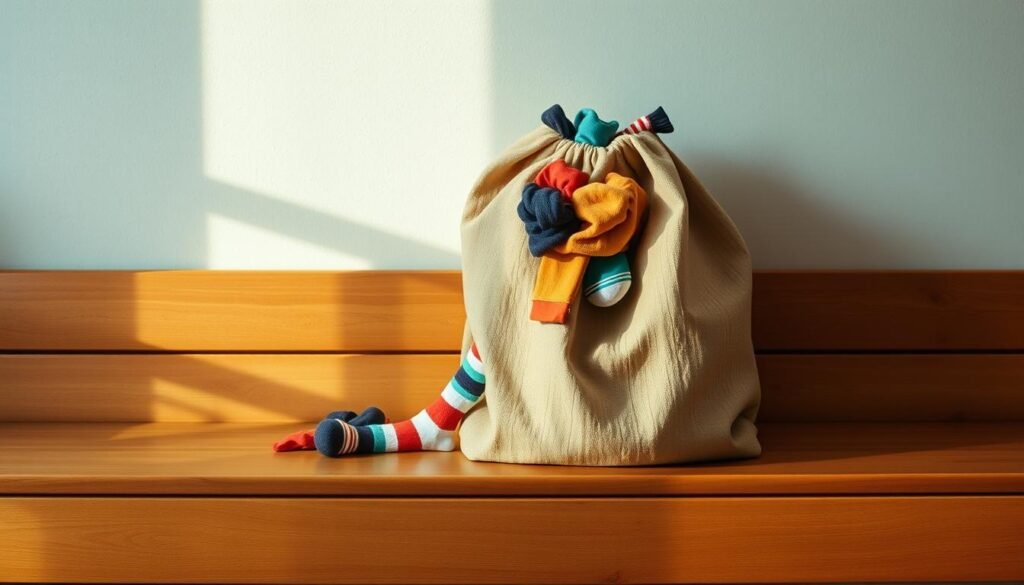
A simple laundry plan keeps clothes fresh and your bag functional for fourteen days. Plan one mid-trip wash and you cut clothing needs roughly in half.
Most destinations offer laundromats or inexpensive wash-and-fold services near hotels and hostels. Use one service when you want convenience and local machines when you want the lowest cost.
Finding services and saving time
Check reviews and ask the front desk for a recommended laundromat. Budget an hour or two in your day so laundry doesn’t interrupt key plans.
Keep worn items isolated
Carry a smell-proof laundry bag to keep worn socks and shirts from contaminating clean items. Turn garments inside out before washing to protect colors and speed drying.
- Choose quick-dry fabrics so sink washes finish overnight.
- Bring detergent sheets or a small bottle for two light loads.
- Spot-clean a jacket or pants between washes to lengthen time between full loads.
- Rotate core pieces first so shirts and pants are ready when you need them.
“Build laundry time into your itinerary so it never interferes with must-see moments.”
| Method | Average time | Best use |
|---|---|---|
| Laundromat self-service | 1–2 hours | Fast, cheap, good for bulk clothes |
| Wash-and-fold service | Same day to 24 hours | Convenient door-to-door option |
| Sink wash & hang | Overnight | Quick-dry shirts and socks between services |
Pre-Trip Planning: Weather, Airline Rules, and Safety Backups
A focused checklist and cloud backups cut stress and keep you moving on day one. Start by verifying both the average and daily weather for your dates so you can match layers and outerwear to expected conditions.
Check the forecast and airline carry-on dimensions/weight
Confirm ranges and precipitation. Verify temperature highs/lows and chance of rain to choose the right clothing and one packable weather layer for wind or downpours.
Review airline carry-on size, weight, and personal item rules. Measure and weigh your luggage the day before departure to avoid gate-check surprises.
Digitize documents and keep copies in the cloud
Scan passport, ID, insurance card, reservations, and tickets. Store them in an encrypted cloud folder so you can access documents from anywhere in the world.
“Digitize key documents now; recovering from a lost wallet takes far more time than a five-minute upload.”
- Share your itinerary with a trusted contact and note emergency numbers.
- Prepare offline maps and boarding passes for patchy service.
- Do a final bag fit and weight check the day before departure.
| Pre-trip check | Why it matters | When to do it |
|---|---|---|
| Local weather range & precipitation | Match layers and outerwear | 5–7 days before, recheck 24 hours prior |
| Airline size & weight limits | Avoid gate-check fees and delays | 72 hours before departure |
| Document digitization | Quick access after loss or theft | One week before, confirm cloud sync |
What to Leave at Home: Beat the “What-If” Packing Habit
Most problems you imagine on a trip can be solved locally, so resist filling your luggage with backup stuff you probably won’t use. Pharmacies and stores exist in most destinations, and they sell the basics if an unexpected need arises.
Replace single-use gadgets with multipurpose items
Challenge every item. If it does not serve multiple roles, it rarely earns a spot. Swap single-use gadgets for tools that do more with less bulk.
Buy locally if an unexpected need arises
Leave the backup-for-backup at home. You can buy or rent gear where you are. That frees space and reduces the mental load of carrying extra stuff.
- Decide what you really need before zipping your bag.
- Remove “just-in-case” clothing and items that never leave the bottom of your luggage.
- Trust local stores for basics like toiletries, bandages, or an extra T-shirt.
- Do a post-trip inventory to spot stuff you didn’t touch and leave it at home next time.
- Reserve limited space for proven essentials that keep your days smooth.
“Travel lighter by design: fewer items, less to manage, more room for the trip itself.”
Resources and Contact
Keep one master packing list you refine after each journey. Update it with what you used, what you left behind, and any items that surprised you. A living list makes last-minute preparation quick and consistent.
Questions or collaboration
Reach out at info@dunamia.com for questions or to collaborate. Feedback helps improve this guide and future lists. We welcome suggestions on gear, brands, and local services.
Save and reuse this packing list for future trips
Practical actions to keep your system sharp:
- Save this packing list as a baseline and adapt by season and destination.
- Keep a lightweight gear checklist: bag, adapter, compact charger, short cables, and a reusable water bottle.
- Create a version history and remove items you never used; highlight MVPs that earned their place.
- Store the list in the cloud and keep an offline copy on your phone for last-minute running checks.
- Use calendar reminders before departure and keep a small “go” kit in your bag so frequent trips are faster.
- Share the list with travel partners and add destination notes like plug type, weather quirks, or laundry options.
“A short, maintained list saves time and keeps your carry practical.”
Conclusion
A clear system makes every journey simpler and keeps your focus on places, not possessions.
Packing light follows three rules: carry less, keep usefulness, and favor comfort and design. Use a compact bag, a lean list, and a mid-trip wash to double your wardrobe’s reach.
With a capsule wardrobe, one reliable pair of shoes, a small toiletry kit, and a tidy tech pouch, you move faster and avoid fees. Add high-utility accessories—purifier bottle, sleep mask, ear plugs, universal adapter—to solve big problems with little space.
Plan weather, confirm airline rules, digitize documents, and leave “what-if” things at home. Minimalist travel frees you to see more of the world, with more energy each day of your trip.